Be Aware of Literacy Exclusion
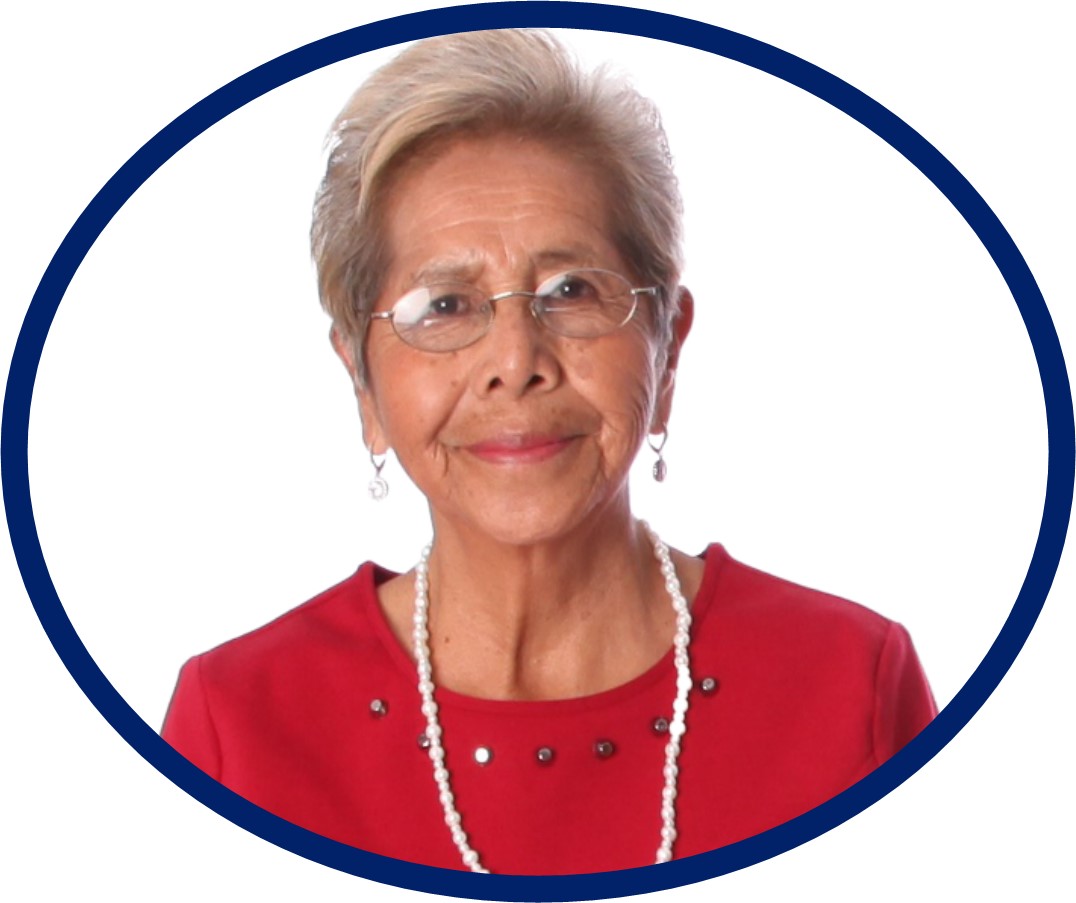
“Did you know that there is something called literacy exclusion? I didn’t. It basically means that how you speak or write can exclude people, simply because they can’t understand what you are saying or what you have written. Literacy exclusion can include using slang, local language, or just simply not speaking to your audience.”
Literacy inclusion is not really a term that is widely known, it means including people with different levels of literacy. This is also a good way of ensuring you’re not being ageist either and unintentionally overlooking younger applicants – our literacy levels change as we age, usually broadening and improving. Literacy exclusion would be using language in a way that does not include everyone.
Using Plain Language is one way to reach a wider audience. Plain Language is including only the information that applies to the reader. You determine what the reader needs to know, what the reader needs to do, and then only provide that information.
The complexity of the text, for example, the length of sentences and complex phrases, can make documents difficult to understand.
We know that good content is accessible content, so write in an accessible way as much as possible:
- Keep sentences short.
- Keep paragraphs short.
- Use white space to reduce visual ‘noise.’
Want to know more?
Check out this resource on using plain language.

“Wow, I didn’t realize that I might be excluding people in the way I speak and write. I like to use a large vocabulary, but I have noticed that sometimes I am not getting my point across. I also tend to over-explain things, so I am probably making things more complicated than it needs to be, in order to get my point across.”